The Importance of Regular Eye Check-Ups: Preventing Blindness Early
Your eyes are your window to the world, but they are also one of the most neglected parts of your body when it comes to regular healthcare. Many people only visit an eye specialist when they experience discomfort or vision loss, but by then, it may be too late to prevent serious issues. Regular eye check-ups are essential to detect, prevent, and treat eye diseases early, ultimately saving your vision. In this article, we explore why routine eye exams are crucial, common eye conditions that can lead to blindness, and how you can protect your eyesight with timely intervention.
Why Routine Eye Exams Matter
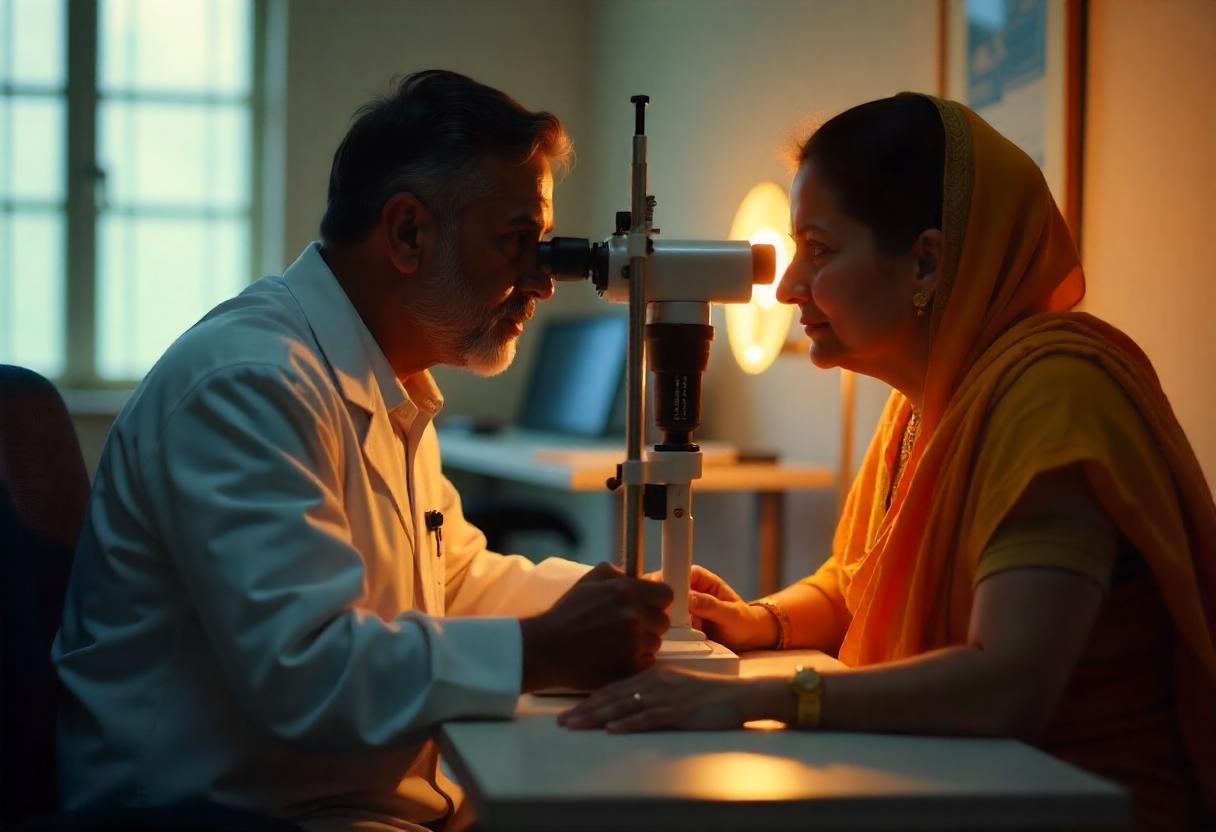
A regular eye exam is more than just a vision test—it’s a comprehensive evaluation of your eye health. Here’s why routine check-ups are vital:
Early Detection of Eye Diseases Many serious eye conditions, such as glaucoma, diabetic retinopathy, and cataracts, develop slowly and without noticeable symptoms in the early stages. Regular eye exams help detect these diseases before they cause irreversible damage.
Correcting Vision Problems Refractive errors like myopia (nearsightedness), hyperopia (farsightedness), and astigmatism can develop at any age. A timely prescription for glasses or contact lenses can significantly improve your quality of life.
Monitoring Overall Health Your eyes can reveal early signs of systemic health problems like diabetes, high blood pressure, and even brain tumors. Optometrists can detect these conditions through an eye exam, sometimes before other symptoms appear.
Preventing Vision Loss in Aging Adults Age-related macular degeneration (AMD) is one of the leading causes of blindness in older adults. Regular screening can slow progression and help maintain vision for a longer time.
Children’s Eye Health & Academic Performance Poor eyesight in children can lead to difficulties in learning, reading, and sports. Routine check-ups ensure early correction and prevent long-term issues.
Common Eye Diseases & Their Early Symptoms
Eye diseases can be silent killers of vision. Recognizing their early symptoms can help you seek timely medical help. Here are some common ones:
Your age and risk factors determine how frequently you should get an eye check-up:
Children (3-19 years): Once every 1-2 years
Adults (20-39 years): Every 2-3 years
Middle-aged adults (40-64 years): Every 1-2 years
Seniors (65+ years): Once every year
Diabetics, hypertensive individuals, or those with a family history of eye disease: Annually or as recommended by an eye specialist
Tips to Maintain Good Eye Health
In addition to regular check-ups, adopting healthy habits can protect and preserve your vision:
👁️ Eat a balanced diet – Include Vitamin A, C, and Omega-3 rich foods like carrots, leafy greens, and fish. 👓 Wear protective eyewear – Use sunglasses outdoors and safety goggles when working in hazardous environments. 📱 Reduce screen time – Follow the 20-20-20 rule: Every 20 minutes, look 20 feet away for 20 seconds. 💧 Stay hydrated – Drink plenty of water to prevent dry eyes. 🚭 Avoid smoking – Smoking increases the risk of cataracts and macular degeneration.
Your eyes work tirelessly for you every day, and taking care of them should be a priority. Regular eye check-ups can prevent blindness and detect early signs of serious health conditions. Don’t wait for symptoms—protect your vision before problems arise. Remember, early detection saves sight!




Leave A Comment