How Poor Vision Affects Children’s Learning & Development
Good vision plays a crucial role in a child’s learning and development. Children rely on their eyesight to explore the world, understand concepts, and engage in everyday activities. However, when a child has undiagnosed vision problems, it can significantly impact their academic performance, social interactions, and overall development. Poor vision is often mistaken for a lack of concentration or learning difficulties, leading to misdiagnosis and delayed interventions. In this blog, we’ll explore how poor vision affects children’s learning and development, the signs to watch for, and ways to ensure healthy eyesight.
The Connection Between Vision and Learning
More than 80% of learning is visual, meaning that children depend on their vision for:
Reading and writing
Recognizing letters, numbers, and colors
Following instructions on the board
Participating in sports and physical activities
Engaging in social interactions
If a child struggles with their eyesight, it can slow their ability to learn and understand information effectively.
Effects of Poor Vision on Learning & Development
1. Difficulty in Reading and Writing
Children with poor vision may have trouble reading words clearly, leading to:
Skipping lines or losing place while reading
Struggling to recognize letters and words
Slow or hesitant reading
Frequent mistakes in spelling and writing
This can make learning frustrating, affecting a child’s interest in school and academics.
2. Lack of Focus and Concentration
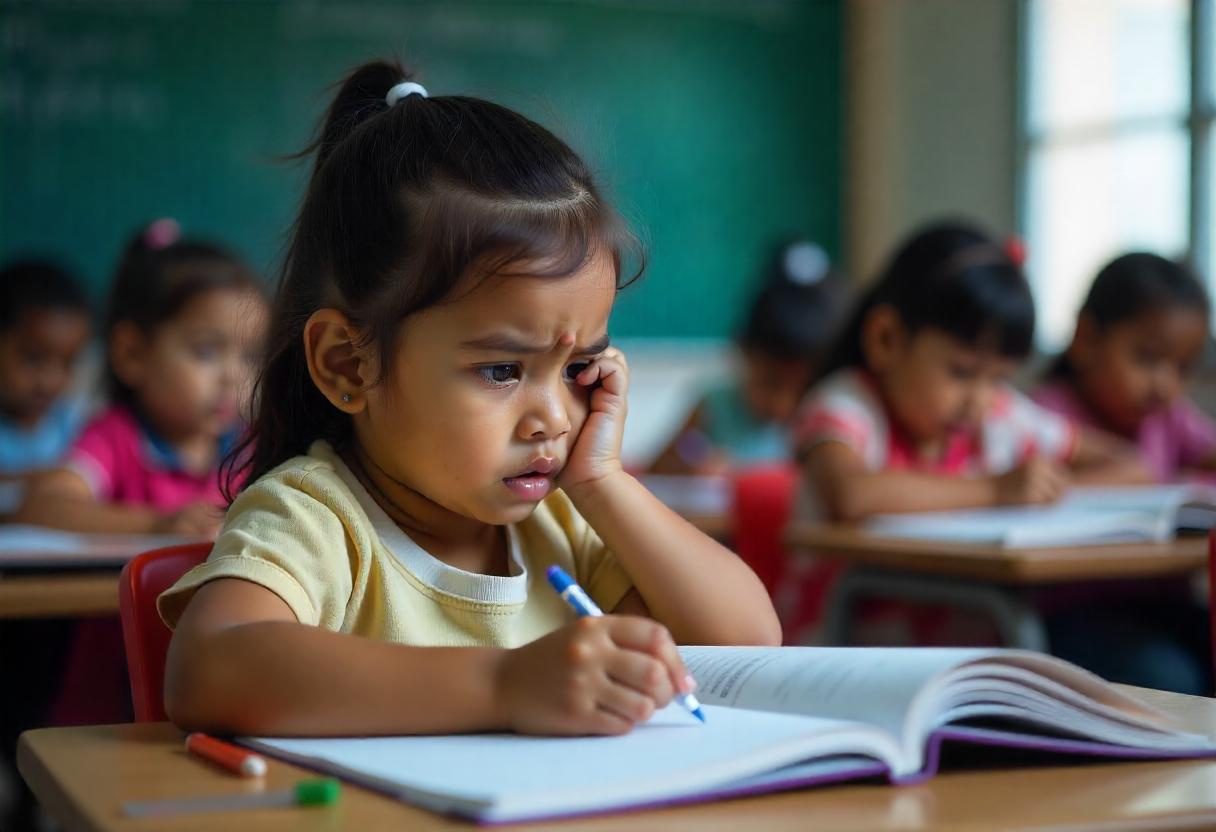
Poor vision causes eye strain and fatigue, making it difficult for children to stay focused. They may appear distracted or uninterested, leading teachers and parents to misinterpret their struggles as lack of attention or laziness.
3. Poor Academic Performance
When children can’t see the board or books clearly, they struggle to understand lessons, which can lead to:
Low grades
Difficulty completing assignments
Avoidance of school-related tasks
This can affect their self-confidence and overall academic progress.
4. Social and Behavioral Issues
Children with untreated vision problems may feel left out in class and group activities, leading to:
Low self-esteem
Difficulty making friends
Frustration, irritability, and mood swings
Avoidance of eye-contact or social engagement
They may also feel embarrassed or self-conscious about their struggles, affecting their emotional well-being.
5. Poor Hand-Eye Coordination and Motor Skills
Good vision is essential for sports and physical activities. Children with vision issues may struggle with:
Catching or hitting a ball
Balancing and coordination
Participating in outdoor games
This can discourage them from being physically active, affecting their overall health and development.
Signs That Your Child May Have Vision Problems
Early detection of vision problems can help prevent long-term learning difficulties. Watch out for these warning signs:
Squinting or tilting the head while reading
Frequent rubbing of eyes or blinking
Complaints of headaches or tired eyes
Holding books too close or sitting too near the TV
Difficulty recognizing letters, numbers, or shapes
Struggling to follow along in class
Avoiding reading or writing tasks
Frequent eye infections or watering eyes
If you notice these symptoms, it’s important to schedule an eye check-up with an optometrist.
How to Protect Your Child’s Vision
1. Schedule Regular Eye Check-Ups
Children should have their first eye exam by age 3 and regular check-ups every year. Early detection and treatment can prevent learning difficulties caused by poor vision.
2. Ensure Proper Lighting and Reading Habits
Encourage your child to read in good lighting
Teach them to maintain a proper distance from screens and books
Limit excessive screen time, which can cause eye strain
3. Provide a Nutritious Diet for Eye Health
A balanced diet with vitamin A, omega-3 fatty acids, and antioxidants can improve eye health. Include foods like:
Carrots and leafy greens
Fish and nuts
Eggs and dairy products
4. Use Corrective Lenses if Needed
If your child needs glasses or contact lenses, ensure they wear them consistently. Poor vision can worsen if left uncorrected.
5. Encourage Outdoor Play
Outdoor activities help develop better vision and coordination. Encourage your child to spend at least 1-2 hours outdoors daily to reduce the risk of myopia (nearsightedness).
Conclusion
Vision is a key component of a child’s academic and personal growth. Poor eyesight should never be ignored, as it can impact learning, confidence, and social skills. Regular eye check-ups, a healthy lifestyle, and early intervention can ensure that children have the best opportunity to succeed in school and beyond.
By prioritizing your child’s eye health, you help them see the world clearly and reach their full potential!



Leave A Comment